

Custom 404
The Custom 404 is an alternative to the Modern 404 page we have built in by default. If you don't want to use our default Modern 404 page, you can create your own Custom 404.
The Custom 404, which lets you build a brandable, custom "page not found" where you can create a more branded, memorable experience.
Compatibility
This is only available on Foodie Pro 5 (on Genesis) or our new Kadence themes which are included with your Feast Plugin subscription, and you can install yourself or have us install for you.
Setup
404 pages are controlled by template files within WordPress that typically require editing files, which is technical and prone to issues with updates. To simplify this, we've made it so that you can edit your custom 404 template directly in the WordPress admin.
This requires enabling the Feast Layouts within your Feast Plugin settings:
- Make sure the Feast Layouts are enabled
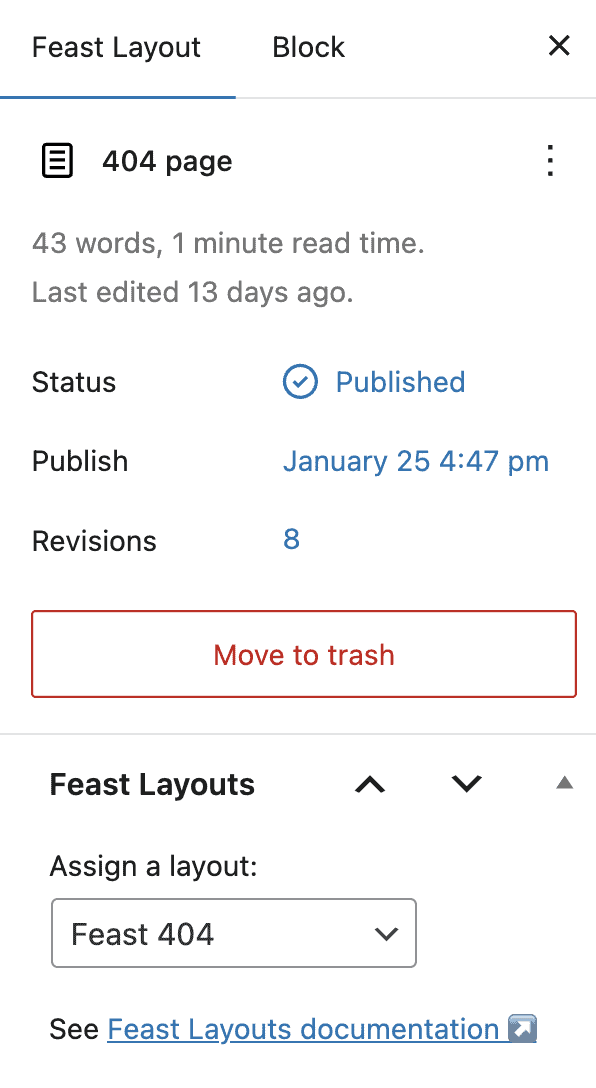
- Create a new Feast Layout
- Under Assign a Layout, set it to Feast 404
- Add your own content to the page and hit Publish
What to add
Content on this can include:
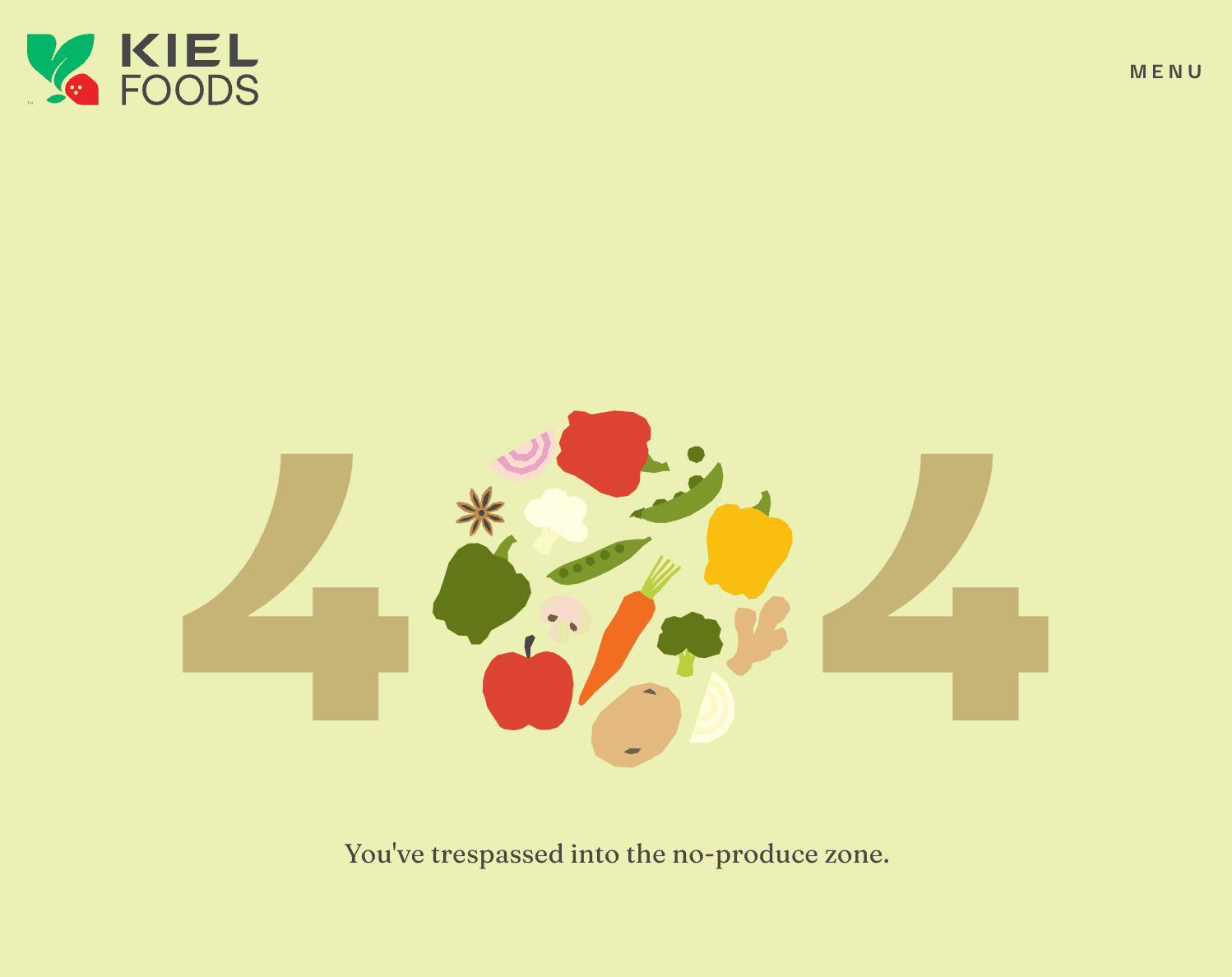
- a branded logo, caricature or mascot
- fun or cute "not found" message
- call-to-action to sign up for your newsletter or ebook
- a Google Trusted Source button
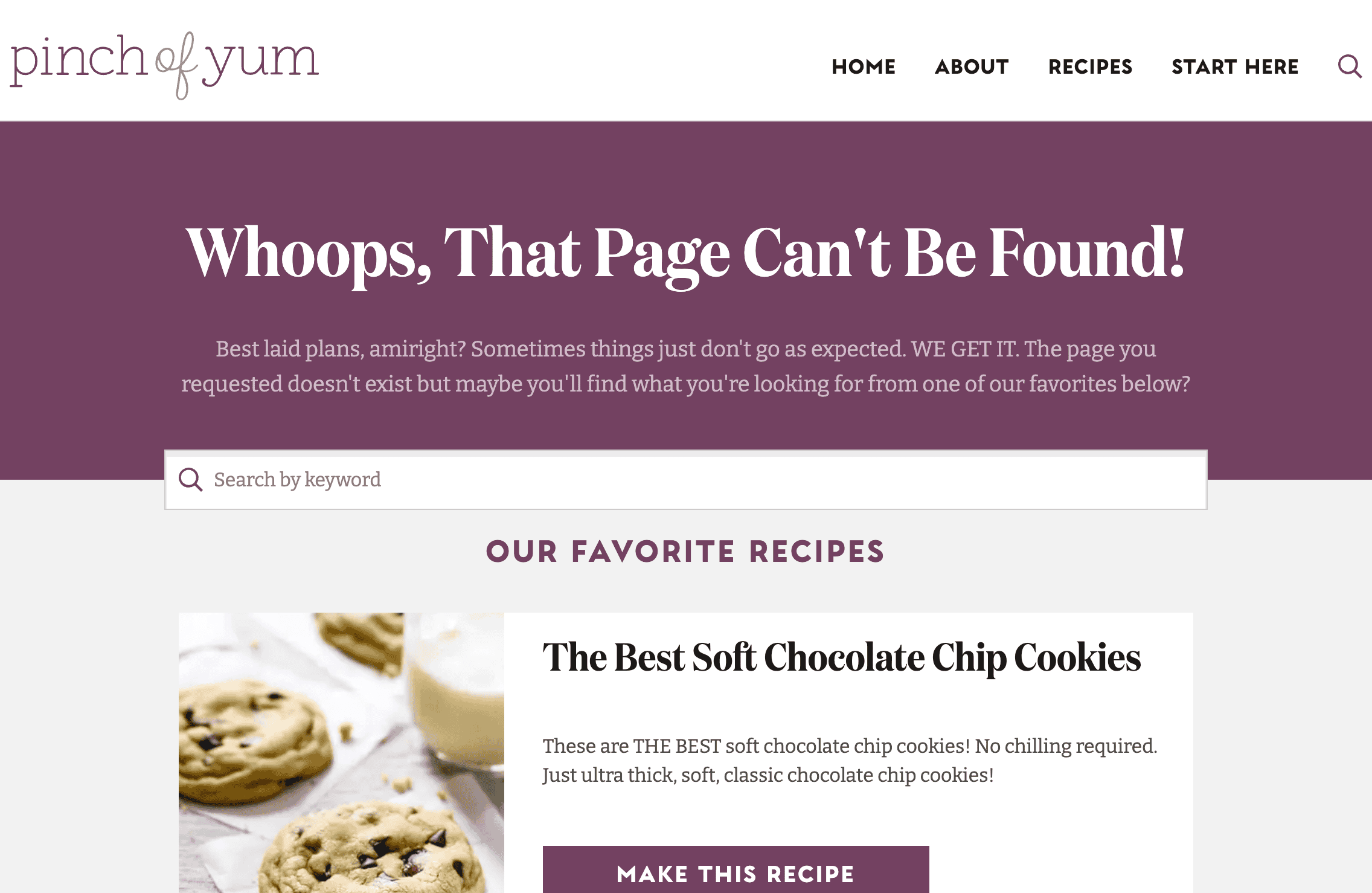
- your own selection of top recipes, seasonal recipes, or reader favorites
- your social media icons so that users can find content on those sites
Note that we generally don't recommend sending readers AWAY from your website because they won't see your ads.
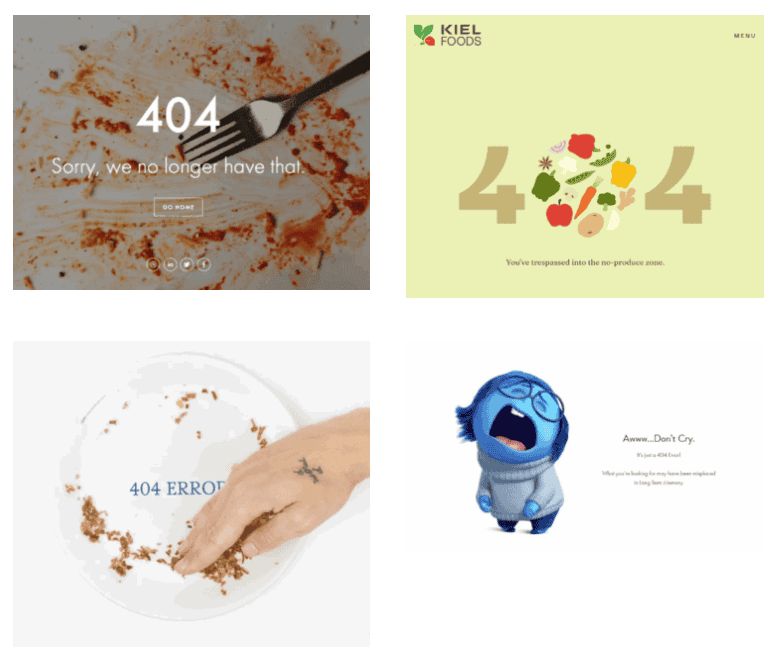
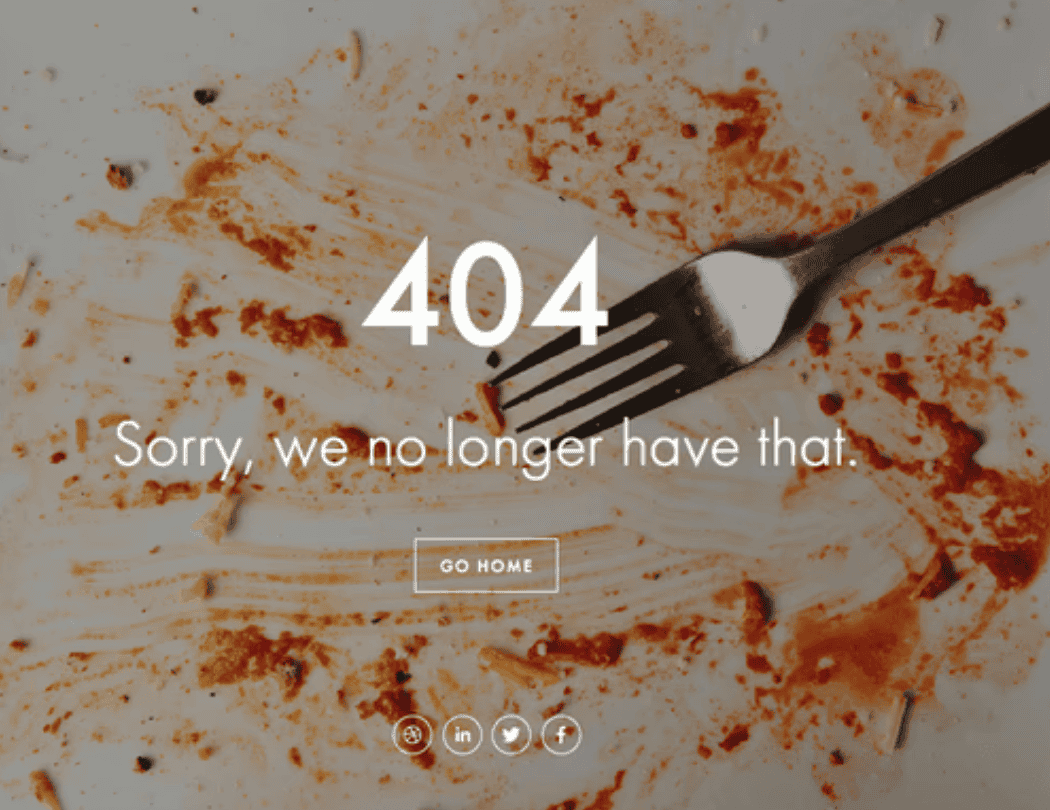
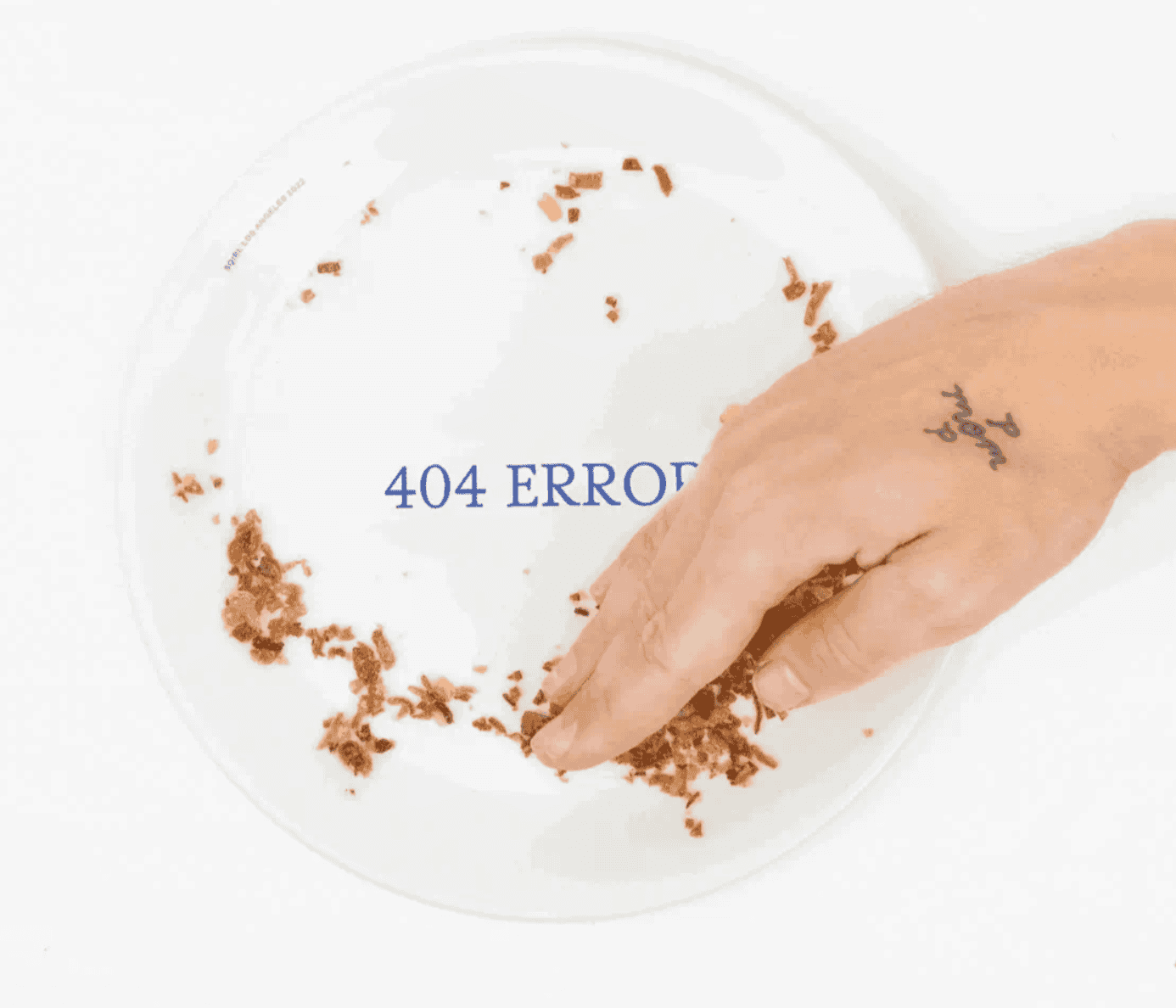
You probably have some b-roll/unused kitchen disaster photos that you can playfully drop in:
- Burnt food: I had to toss this one out, but you might like this instead:
- Broken dishes: Oops! Looks like that's broken.
- Messy kitchen: We need to do some clean up but meanwhile, check this out:
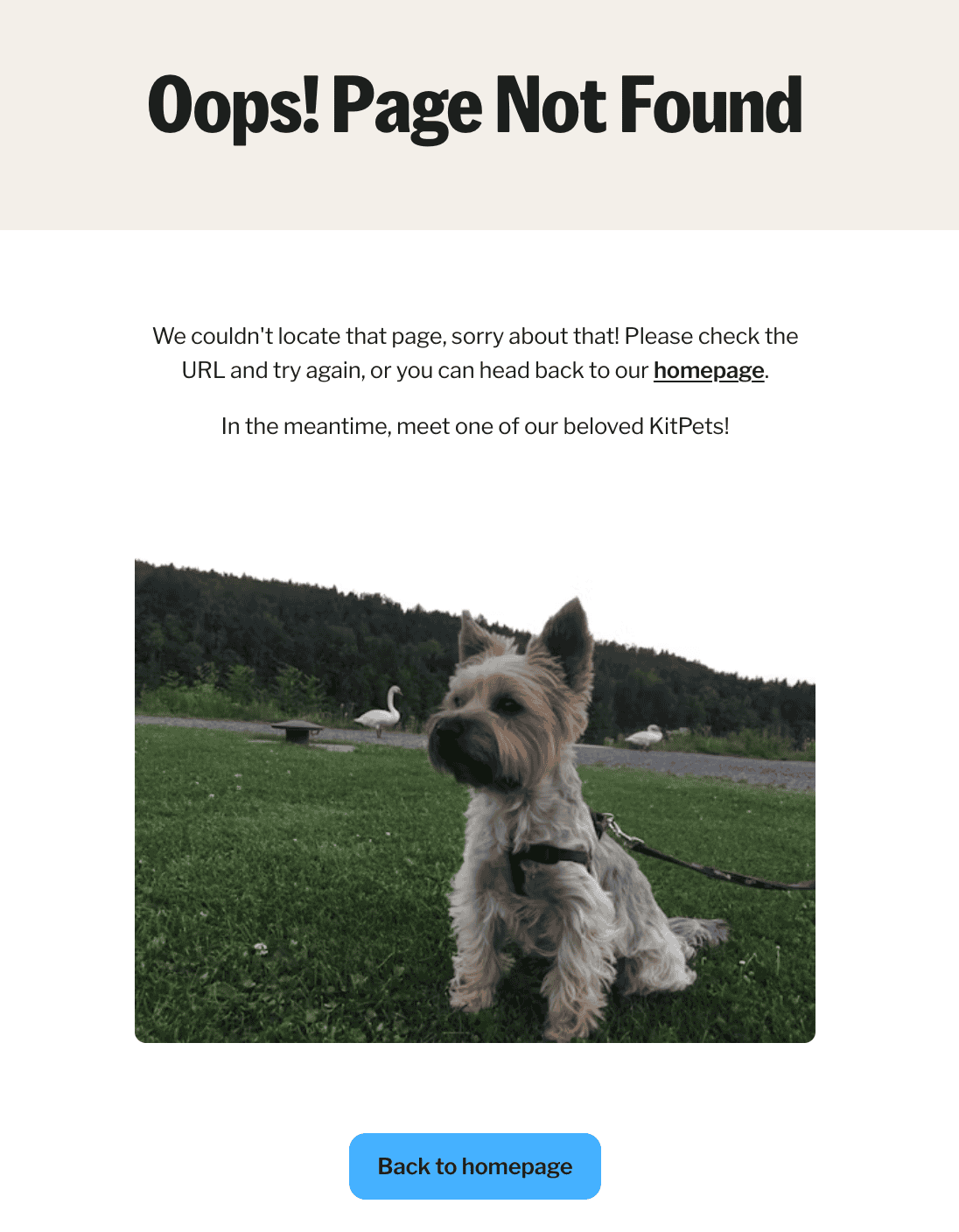
- Pet: Milo ate this page, but here's some recipes he didn't get to:
- Cake with a bite taken out: Something's missing here...
- Your cookbook with a page torn out: This recipe is gone
There's no rules to 404 page design so let your creative side out!
How do visitors end up on a 404 page?
Visitors typically end up here by following a link that used to exist on your site, but was deleted at some point. This can be internal (on your site) or external (from another site).
You can control your own internal links and be using the Broken Link Checker plugin to make sure you don't have any broken internal links.
You can't control how other sites link to you though, so having a helpful 404 page should help visitors find what they were originally looking for.
SEO
The 404 page is noindexed and will not affect SEO directly.
Creating a compelling and friendly 404 page that encourages visitors to stick around instead of bouncing, and may impact user experience metrics Google factors into ranking, indirectly.
This is a very very minor factor and isn't worth spending too much time on.
Examples
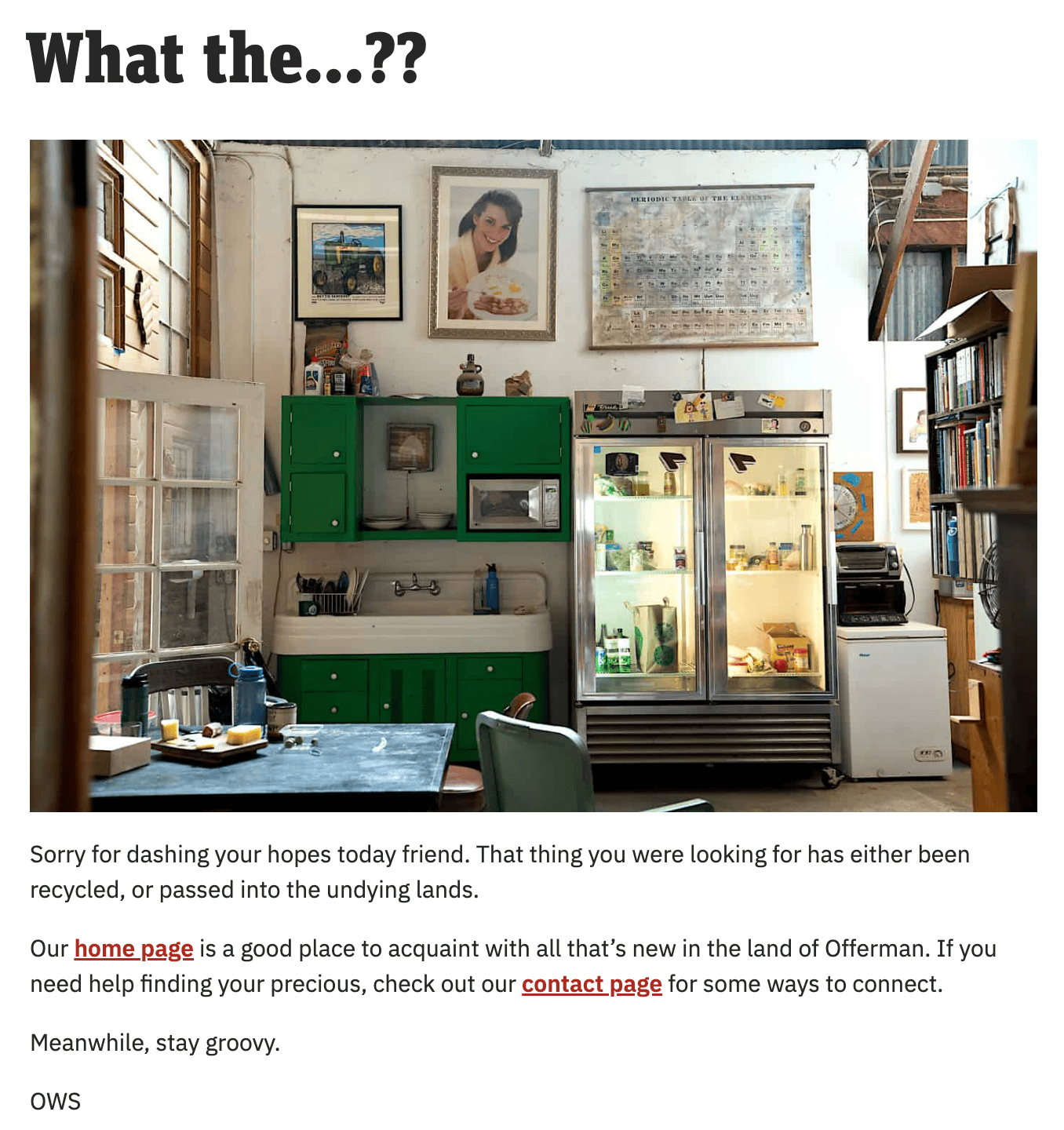
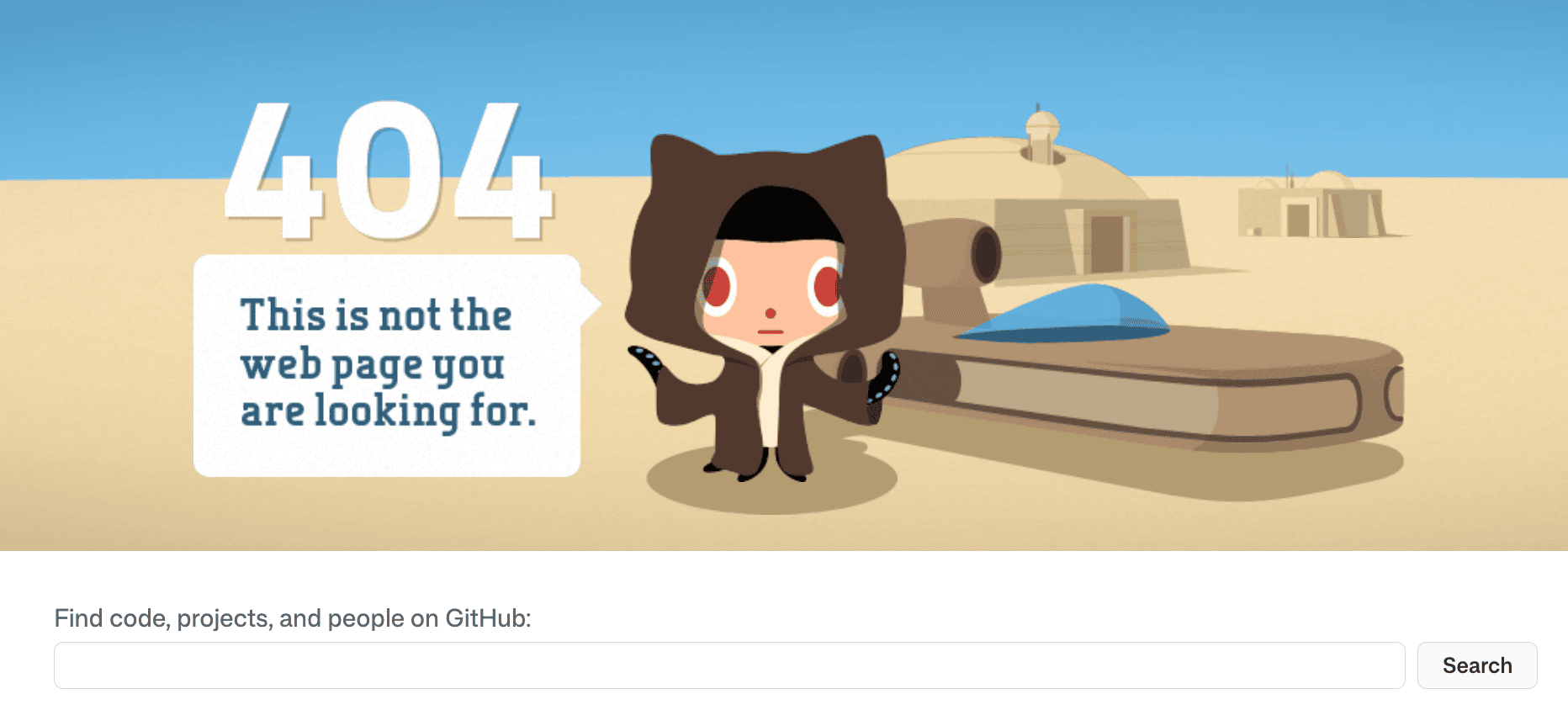
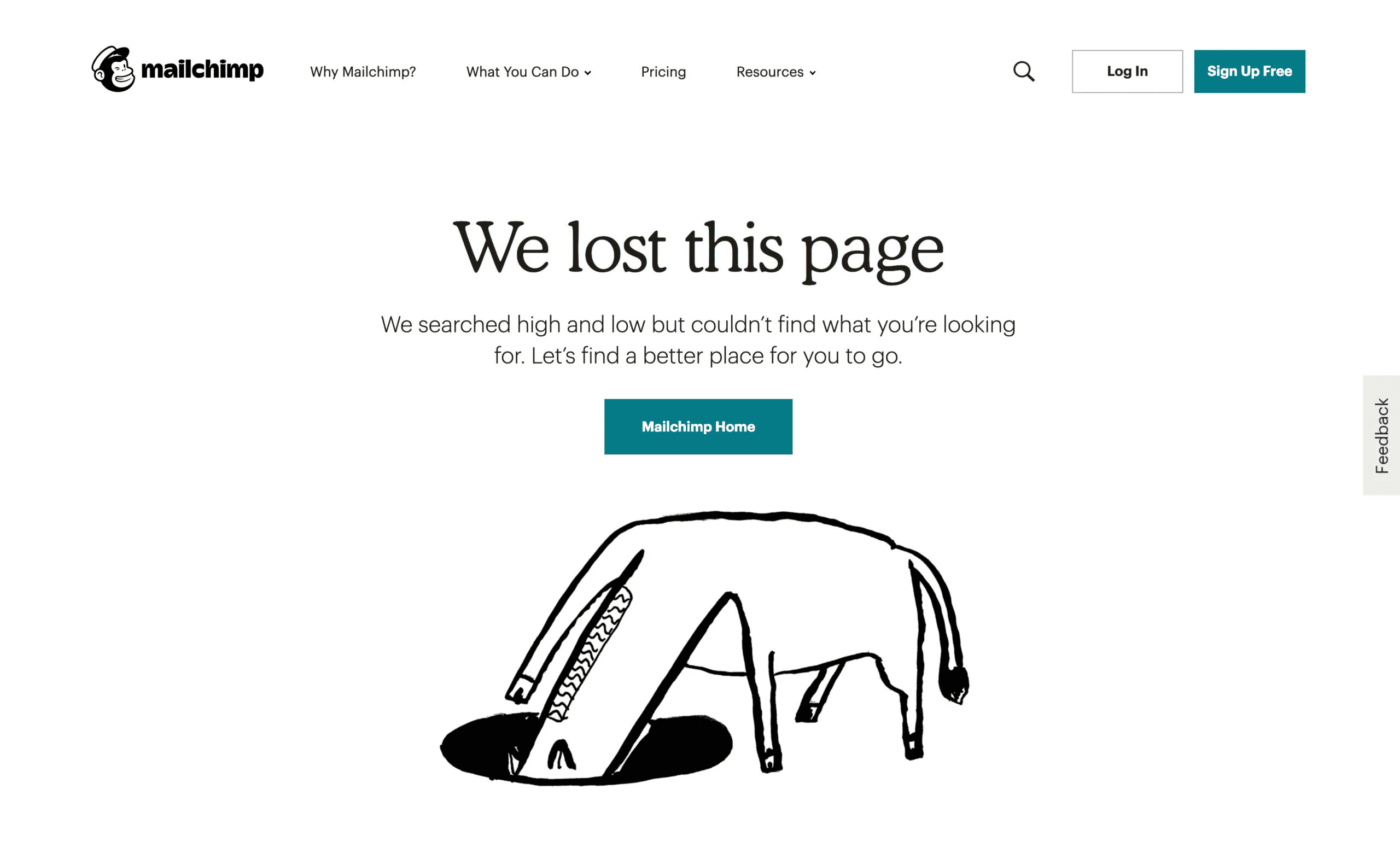
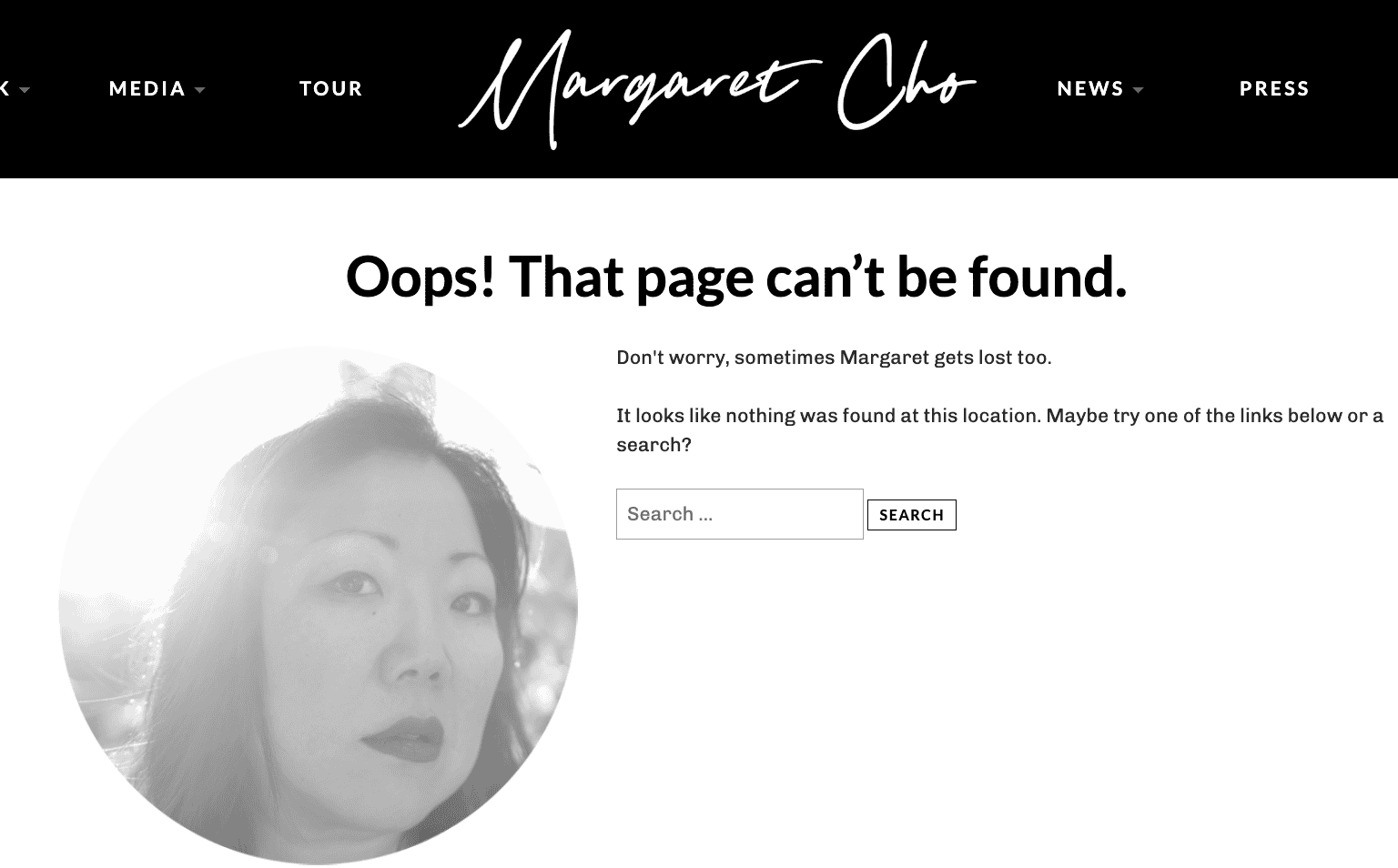
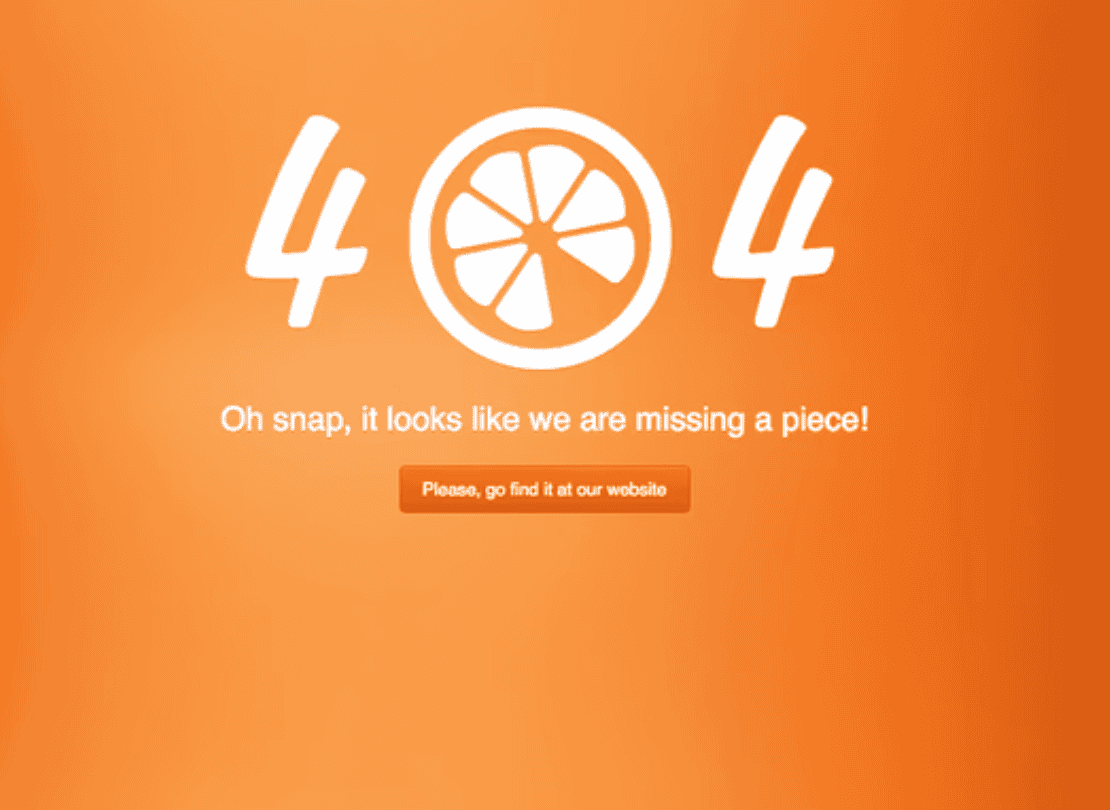
Some larger sites might put in custom graphics or photography because their 404 pages get a high volume of accidental traffic, but most sites would be fine with a bit of text and suggestions for where the reader should go.

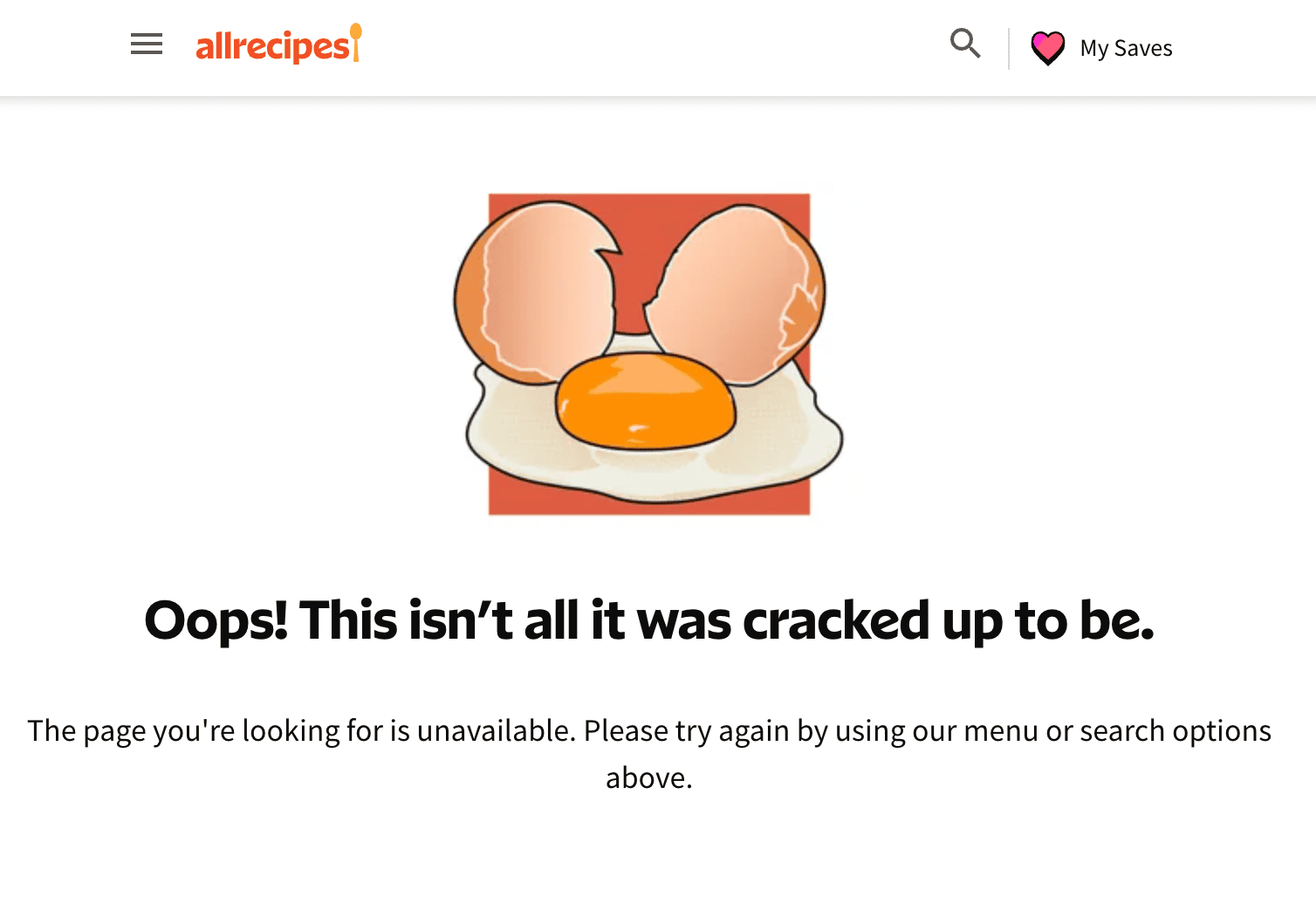
Analytics
Analytics or Google Search Console will sometimes show garbage pages on your site that come from bots, crawlers, spam sites or other places. These do not represent problems with your site, but are just part of the chaos that is the internet.
These non-existent pages will show your custom 404.
In some cases, junk pages can be a sign that a site was compromised and something was inserted into your site that is cause for concern. The only way to really know is to have an audit done by a third-party provider such as NerdPress. If you don't have third-party support services, you might be able to ask your host to take a quick look to see if there are any red flags.